


Public welfare hotline:+86-010-84404273
Email: apepcy@apepcy.org
Following stops in Geneva, Munich, and Calw, the delegation of the Beijing Changier Education Foundation arrived in Paris, France, the fourth stop of this European tour. As the seat of UNESCO Headquarters, Paris hosted the most intensive and strategically significant international dialogues of the trip. During its stay, the delegation visited the Embassy of the People’s Republic of China in France, made four visits to UNESCO Headquarters, and held in-depth exchanges with the Association des Amis de Wu Jianmin and Chinese-French friendship figures, adding a bold and memorable chapter to the Foundation’s internationalization journey.
Visiting the Chinese Embassy in France: The Warm Backing of National Strength and Actionable Strategic Guidance
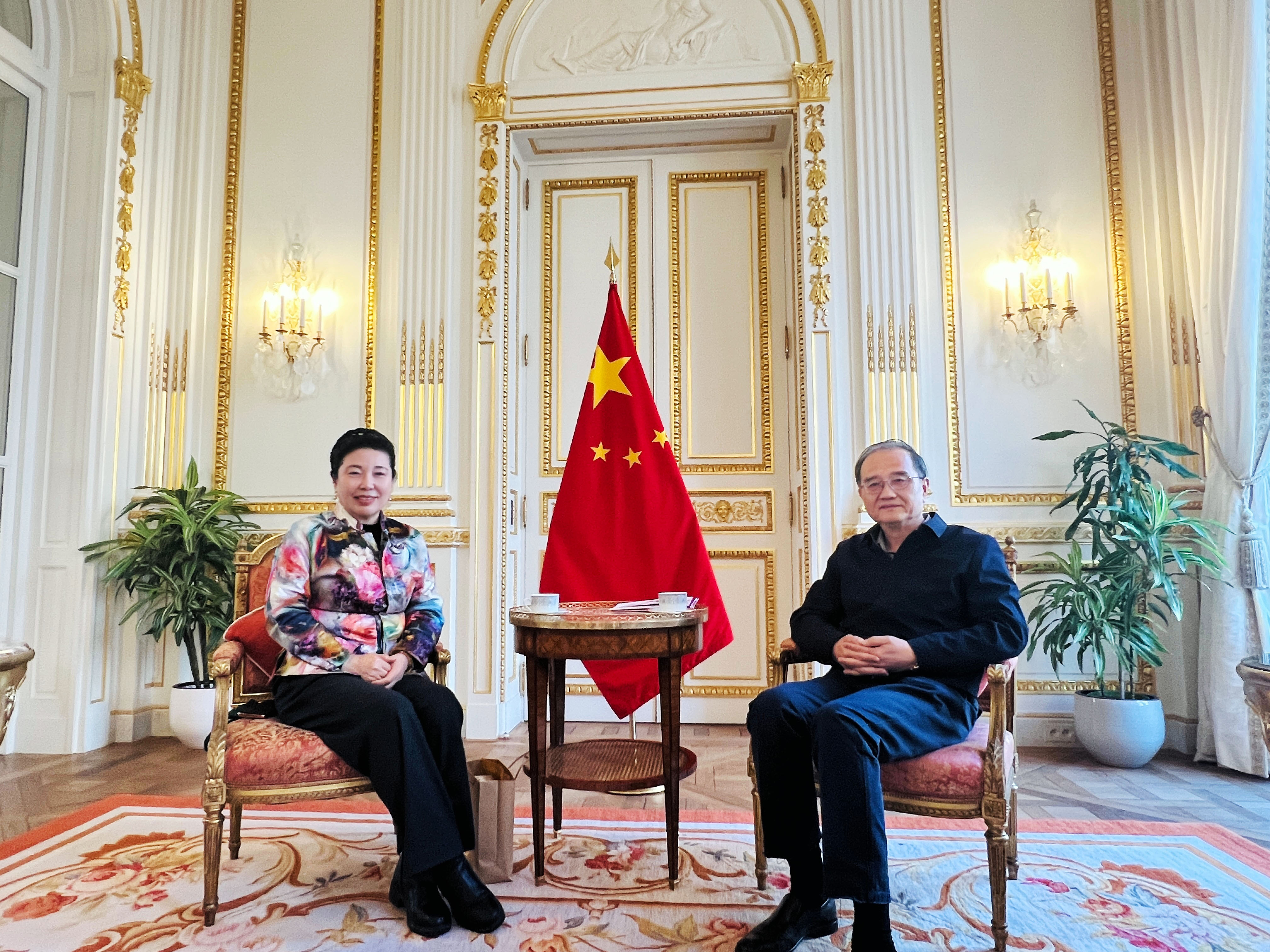
Upon arriving in Paris, the delegation of the Beijing Changier Education Foundation visited the Chinese Embassy in France, where it was warmly received by Ambassador Deng Li. The meeting was attended throughout by Minister-Counselor An Yan, head of the Education Section, and Yan Aihua of the same section.
At the beginning of the meeting, the President gave the embassy a systematic briefing on the Foundation’s achievements over more than twenty years in the fields of education through love, youth health, the rights and interests of women and children, and international philanthropic cooperation.
Ambassador Deng Li highly commended the Foundation’s active efforts to step onto the international stage and to convey China’s voice through the strength of civil philanthropy.
What left an especially deep impression on the delegation was that the meeting proved far more substantive and practical than expected. In response to the delegation’s three core requests, the Ambassador offered highly actionable guidance one by one.
First, promoting deeper cooperation between Qingai and UNESCO
The delegation explained in detail its hope that, with the support of the embassy, the Beijing Changier Education Foundation could establish a more stable cooperation mechanism within the UNESCO framework and explore applying for relevant consultative status. The Ambassador responded positively and provided practical guidance on how to connect with UNESCO’s working mechanisms, laying an important foundation for the delegation’s subsequent four visits to UNESCO Headquarters.
Second, welcoming French youth to visit China and helping build a future of closer people-to-people ties
During the meeting, the Ambassador shared an observation that deeply struck the delegation: today, the younger generation in France—especially those under the age of 25—has a perception and impression of China that differs sharply, almost in a generational rupture, from that of their parents.
Even more thought-provoking is the fact that whether someone has visited China and whether they truly understand China is quietly becoming an implicit consideration in determining whether rising young figures in French politics can move onto a higher stage.
This judgment is not only powerful evidence of China’s rapidly rising comprehensive national strength, but also a profound revelation of the strategic value of people-to-people exchange.
The delegation of the Beijing Changier Education Foundation stated that it would take this as motivation to open its doors even wider and actively promote visits to China by French youth for study, observation, exchange, and participation in philanthropic practice, so that more young French people may return to their country carrying a real understanding of China and become the most vivid messengers of China-France friendship.
Third, seeking the embassy’s guidance and endorsement in selecting partners
As a Chinese philanthropic organization going global, how to identify reliable overseas partners among numerous institutions, schools, and organizations and how to avoid risks is always a practical issue that cannot be ignored in civil diplomacy.
The delegation sincerely expressed its hope of drawing upon the embassy’s professional judgment and accumulated resources to obtain directional guidance in selecting potential partners. The Ambassador expressed understanding and support, and such advice will greatly improve both the effectiveness and the security of the Foundation’s future international cooperation.
In addition, the two sides also engaged in candid exchanges on developments in the current international financial market. From a macro perspective, the Ambassador analyzed how global capital, amid turbulent times, is increasingly pursuing safe-haven assets, and highlighted the unique advantages of the Chinese market in terms of both security and growth potential. This assessment closely aligned with the firsthand observations of members of the delegation from the financial sector, and from another angle reaffirmed the strong resilience and broad prospects of China’s economy.
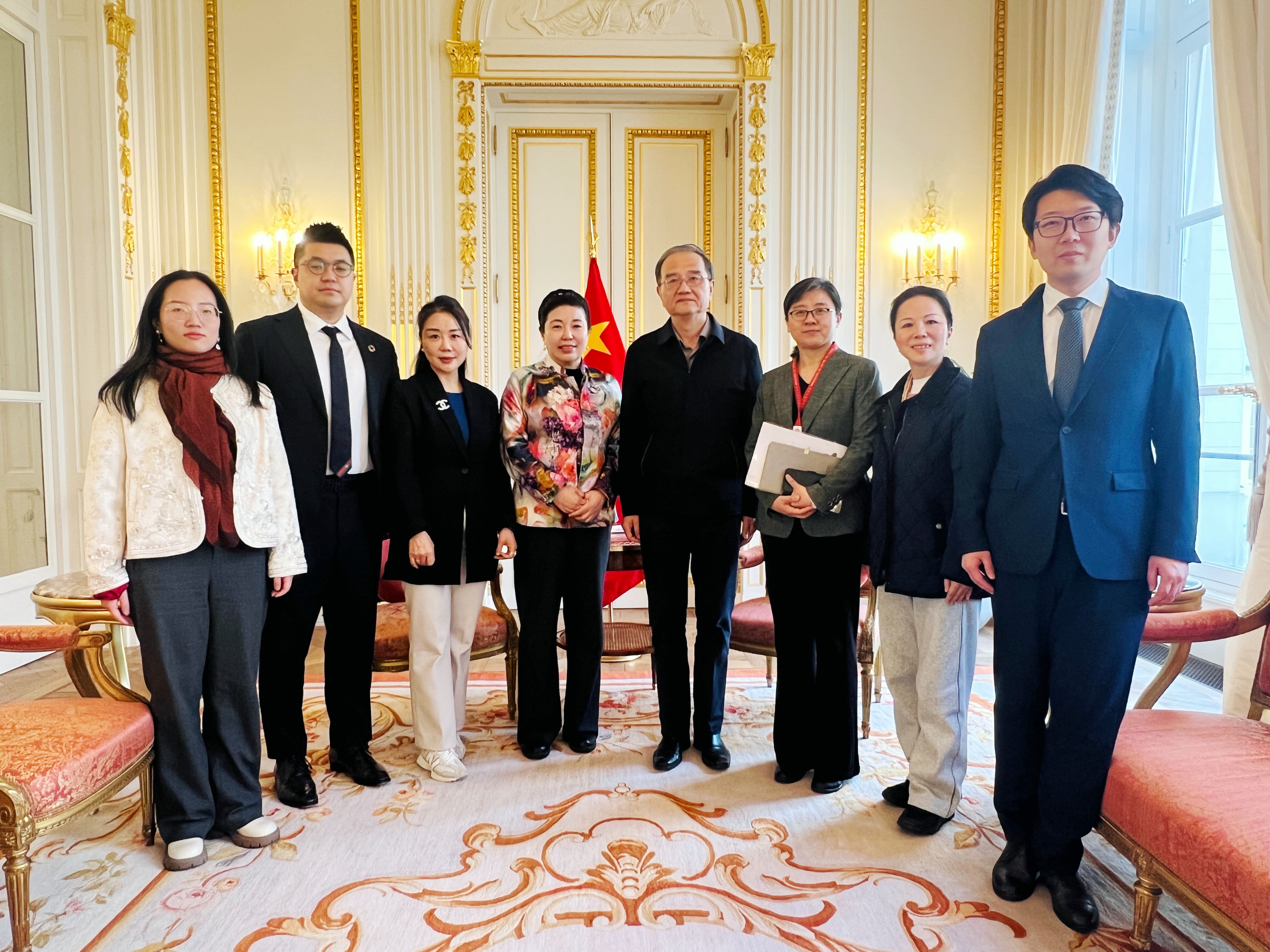
This visit to the embassy was not only a policy-level communication and coordination effort; it also made the delegation feel deeply that every Chinese philanthropist working abroad stands on the solid support of the motherland. Every sentence spoken by the Ambassador was not general rhetoric, but actionable guidance grounded in real pathways.
With this strength behind them, the delegation moved forward with renewed confidence toward UNESCO Headquarters.
Four Visits to UNESCO Headquarters: From Dialogue to Action
First Visit: Attending a UNESCO Forum and Discussing Girls’ Health Education in Africa
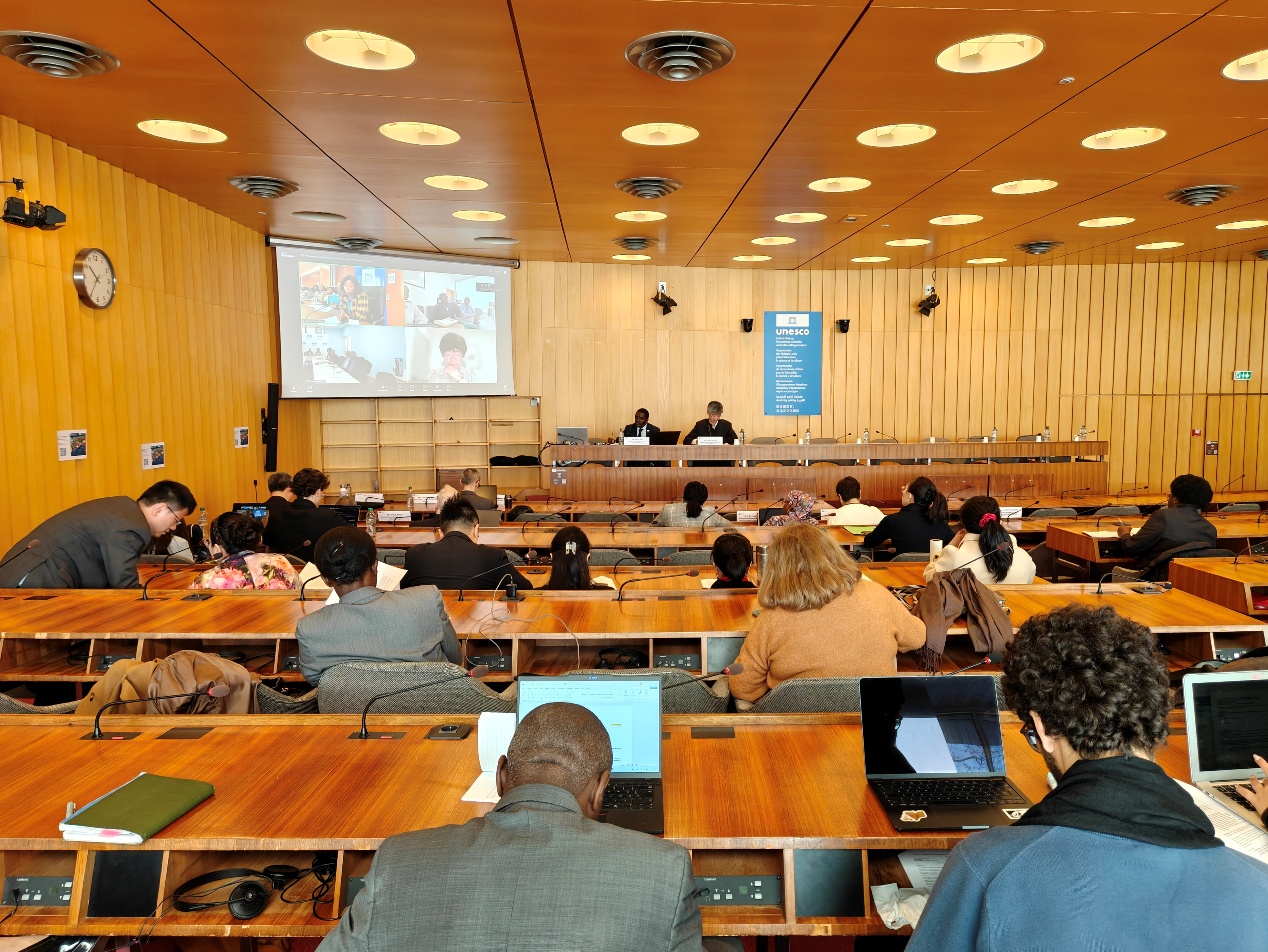
On March 26, the delegation attended the forum “Advancing Health Education for Girls in Africa”, held in Room IX at UNESCO Headquarters. The forum was jointly organized by UNESCO and Peking University, focusing on the development of school health education and protection systems in sub-Saharan African countries such as Botswana, Nigeria, and Uganda, with particular attention to urgent issues such as the decline in girls’ return-to-school rates after the COVID-19 pandemic and widening gender gaps in education.

On the podium, Ambassador Yang Xinyu, Permanent Delegate of China to UNESCO, delivered remarks. Also present were Mr. Mohamed Elfarnawany, Assistant Director-General for Priority Africa and External Relations at UNESCO, and Mr. Christopher Castle, Director of UNESCO’s Division for Sustainable Development. The forum was moderated by Mr. Victor Soo, Programme Specialist in UNESCO’s Priority Africa division.
Participants came from UNESCO missions of multiple African countries as well as domestic universities and philanthropic institutions. Discussions on site were in-depth and lively.
At the forum, participants engaged in substantive discussion on how to build a more inclusive school health education system and how to promote educational equity in Africa through South-South cooperation mechanisms. The team of Professor Ma Yinghua from Peking University delivered a keynote presentation on its girls’ health education projects in Botswana, Nigeria, and Uganda.
Professor Ma was unable to attend in person due to work commitments, but when she learned that the Qingai delegation was present, she was delighted and specifically asked President Zhang Yinjun to convey her greetings to the forum on her behalf. This unspoken understanding between two old friends, though separated by distance, precisely reflected the deep friendship built over many years as the two institutions have worked side by side in the same field.
As President Zhang Yinjun said after the event:
“Professor Ma’s team and our own work share the same mission and goals; we are all striving for the same cause.”
Twenty years of dedicated work enabled the Beijing Changier Education Foundation to find its most genuine resonance on this international stage, filling the delegation with excitement and encouragement.
Second Visit: Meeting with Ambassador Yang Xinyu to Present Cooperation Proposals

After the forum, the delegation was received by Ambassador Yang Xinyu, and the two sides held a candid and thorough exchange on the Foundation’s core aspirations for deepening cooperation with UNESCO.
President Zhang Yinjun highlighted the Foundation’s vision for cooperation:
“In January this year, we once again applied for UNESCO consultative status. We feel that UNESCO is more relevant and more aligned with our work.”
She further explained that the Beijing Changier Education Foundation has already established more than 1,400 partner schools with “Qing Ai Education & Support Center” programs across China, along with 222 Maternal Love Academy programs, and has also expanded into countries such as Indonesia. This year, it also plans to launch Maternal Love Academy programs in African countries including Kenya, Nigeria, and Tanzania.
“We are also carrying out such programs in African countries, and they find them especially practical.”
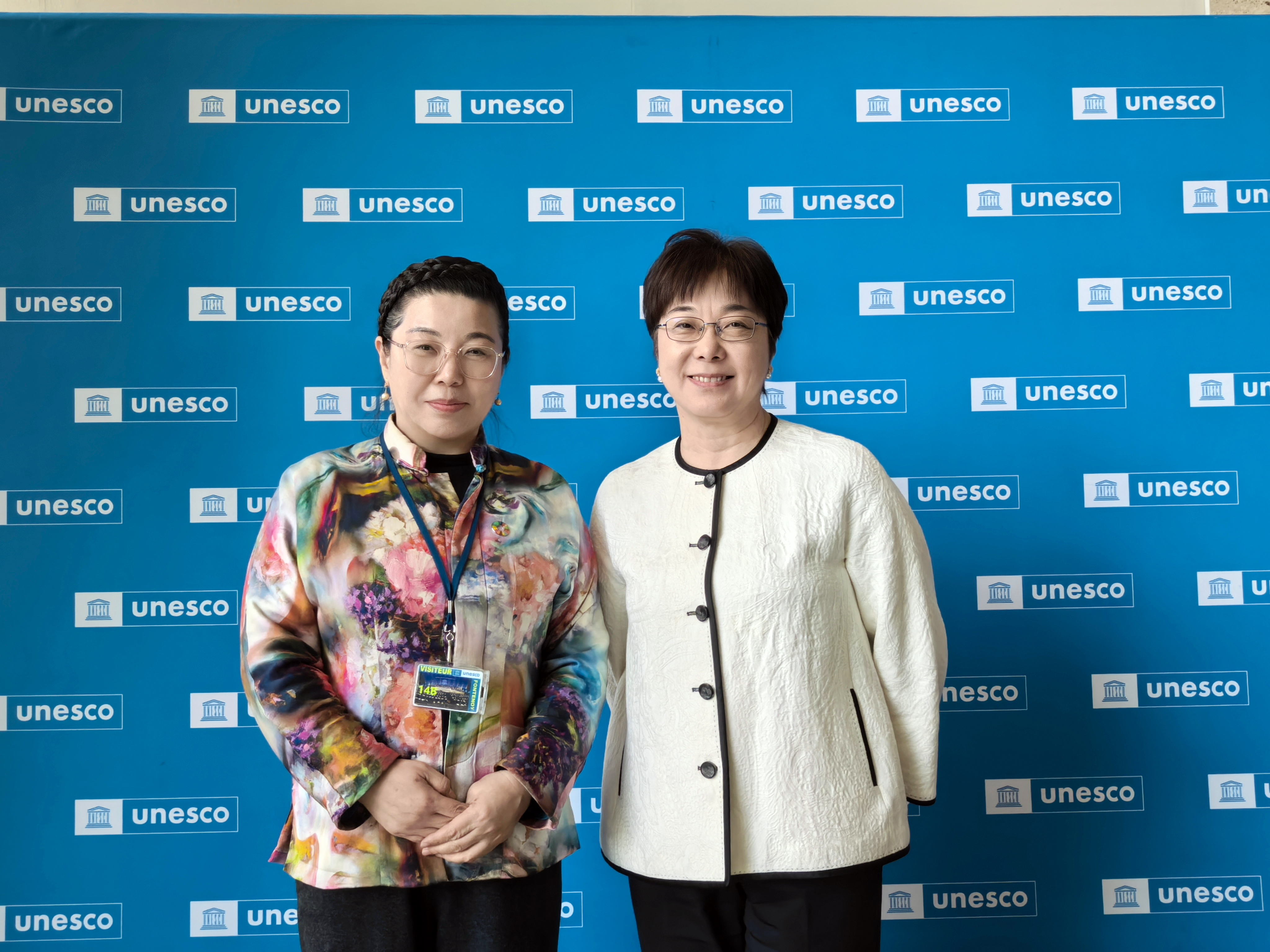
Ambassador Yang responded positively and provided practical guidance on advancing the consultative status application and connecting with UNESCO’s working mechanisms. She pointed out that the values upheld by the Foundation through twenty years of sustained effort are highly aligned with UNESCO’s core mission of promoting South-South cooperation and sharing high-quality educational resources.
Ambassador Yang stated that the delegation would help facilitate relevant matters and suggested that the Foundation further study UNESCO’s existing chair arrangements in order to identify the most suitable point of entry for cooperation based on its own professional strengths.

It is also worth noting that on the same day the delegation attended the forum, China’s Minister of Education Huai Jinpeng was invited to attend the launch ceremony of UNESCO’s 2026 Global Education Monitoring Report and to speak at a high-level ministerial discussion, where he presented China’s proposals for global higher education development beyond 2030 and called for “upholding openness and cooperation to build a community of education and jointly respond to major challenges facing humanity.”
Under the same roof, the highest-level voice of the nation and the deep practical work of civil philanthropy echoed one another, jointly writing a new chapter in the story of Chinese education reaching the world.
Third Visit: In-Depth Meeting with the Traditional Culture Foundation to Discuss the Preservation of Civilization
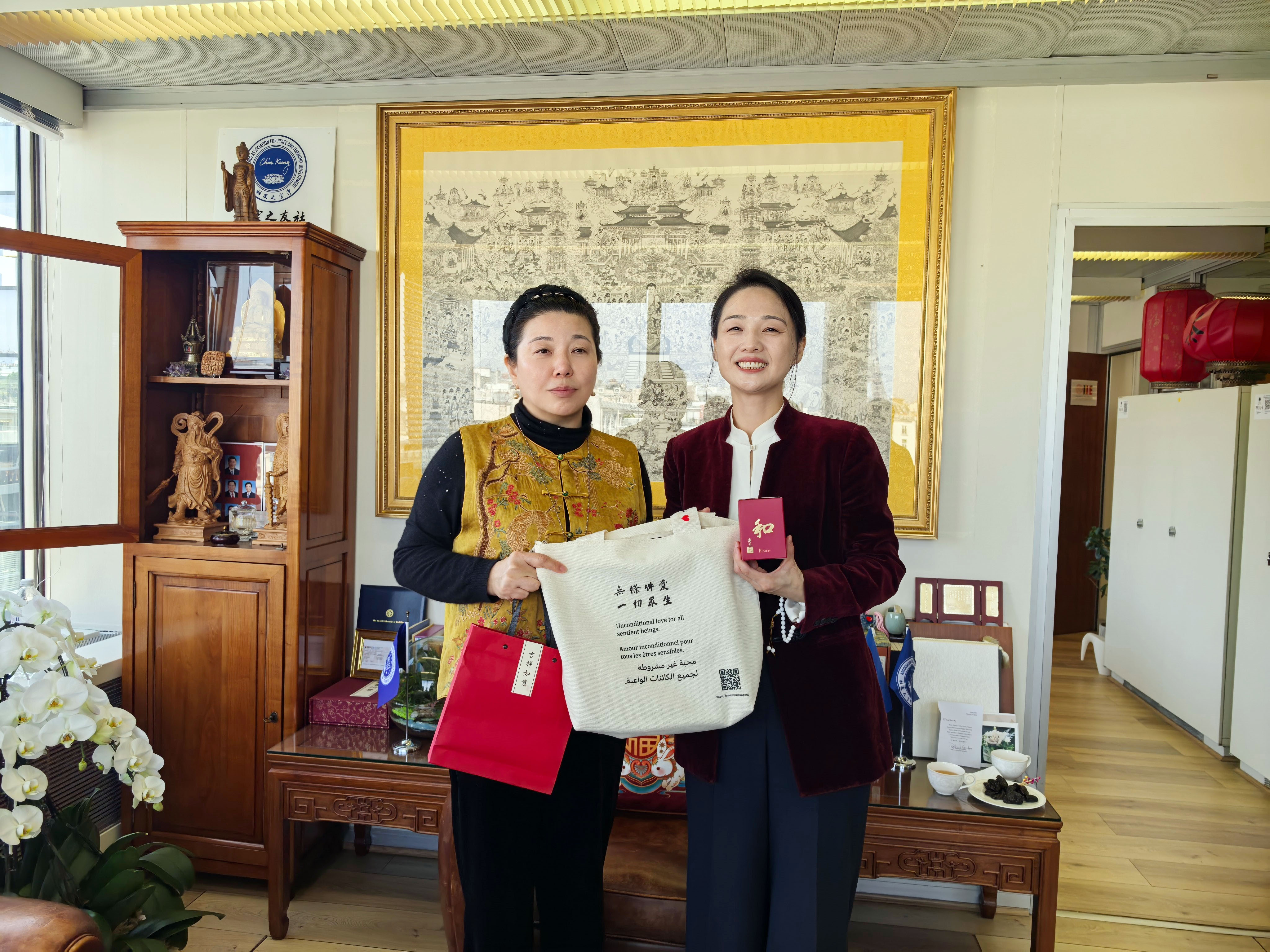
Among all the events in Paris, what felt most cordial and inspiring to the delegation was the in-depth meeting with the Traditional Culture Foundation at UNESCO.
This organization, which has long been committed within the UNESCO framework to the protection and transmission of traditional cultures around the world, has maintained friendship with the Beijing Changier Education Foundation for many years and shares a common value foundation with it.
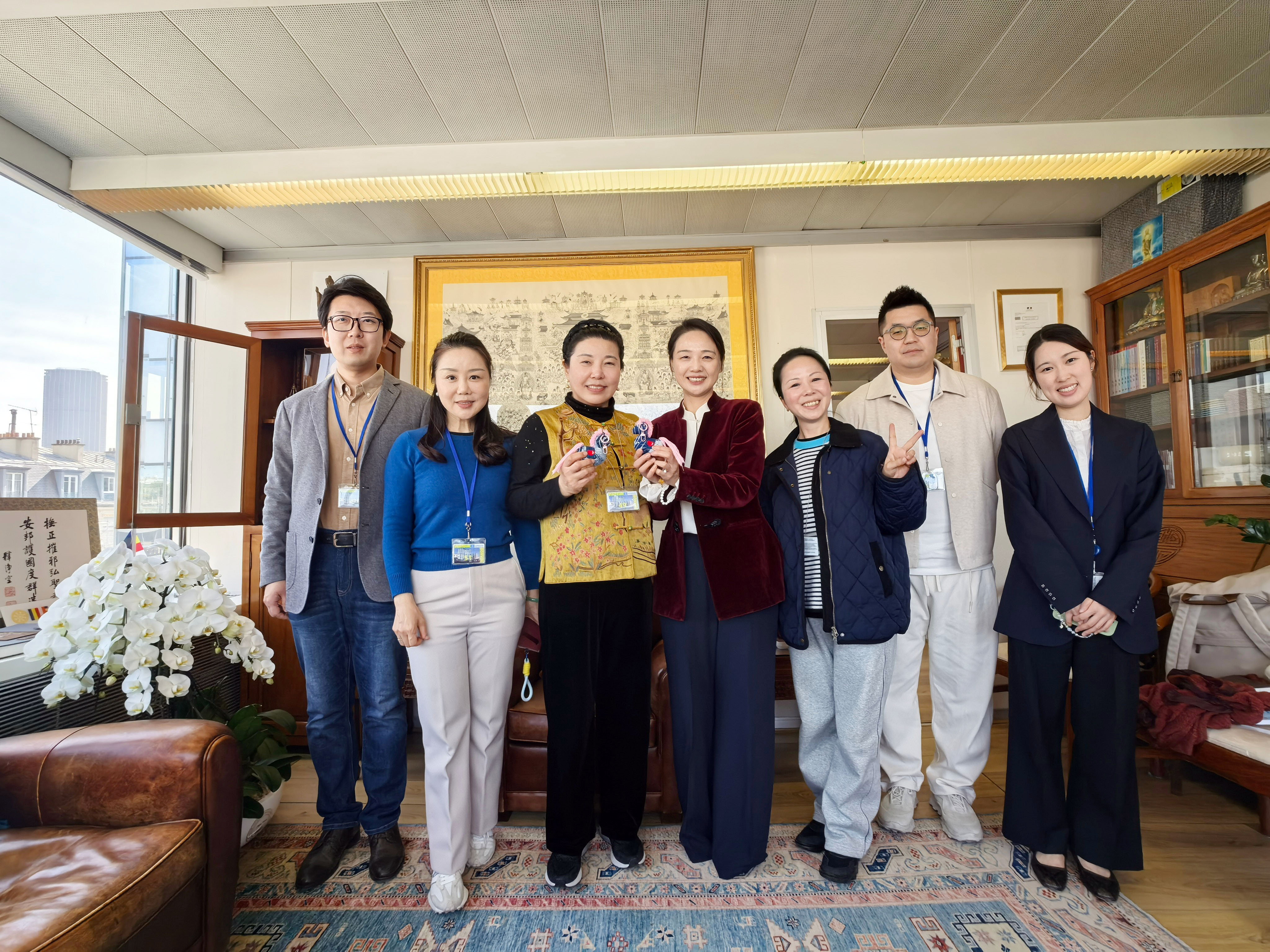
Mr. He Weigui, Chairman of the Traditional Culture Foundation, warmly welcomed the delegation together with his team. Old friends met again, shaking hands and exchanging greetings, and the conversation naturally moved toward deeper and wider topics.
During the meeting, both sides strongly agreed that whether one looks at Confucian thought in the East or traditional wisdom from other parts of the world, their essential direction is the same: to guide people toward goodness and to educate through love. This spiritual resonance across cultural boundaries is precisely the basis of the long-standing cooperation between the two institutions.
In terms of concrete cooperation, the two sides focused particularly on the following three directions:
First, the internationalization path of “Maternal Love University”
The Beijing Changier Education Foundation proposed exploring, with the support of UNESCO’s international platform, the feasibility of establishing a “Maternal Love University.” This vision goes beyond conventional skills-based education and aims to build an educational system centered on love and humanistic care, filling the current gap in emotional and spiritual education.
The Traditional Culture Foundation expressed strong recognition of this idea, noting its close alignment with UNESCO’s concept of holistic education, and indicated its willingness to provide active support in areas such as institutional establishment and curriculum certification.
Second, exploring the establishment of a permanent Qingai mechanism within UNESCO
The two sides held in-depth discussions on creating a more stable and more influential long-term cooperation mechanism for the Foundation within the UNESCO framework.
Drawing on its many years of organizational experience and personal networks, the Traditional Culture Foundation offered the delegation practical suggestions on possible pathways. The two sides reached preliminary consensus on next steps.
Third, a strategic intention for the two foundations to support one another through deep cooperation
During the meeting, both sides clearly expressed a strong willingness to integrate and share project resources, international networks, and activity platforms.
Qingai’s International Love Ambassadors also shared their vision of deeply linking medical resources and helping Chinese intangible cultural heritage step onto the world stage—so that children and teachers in remote mountain areas may one day have the opportunity to stand on the global stage, and so that the brilliance of Chinese traditional culture may illuminate a broader world.
This vision deeply moved the representatives present, and both sides agreed that this is precisely the most touching significance of the cooperation between the two foundations.
Fourth Visit: At the Time of Farewell, UNESCO’s Health and Education Department Opened Early to Welcome the Delegation
At the close of the Paris trip came perhaps the most moving detail of the entire visit.
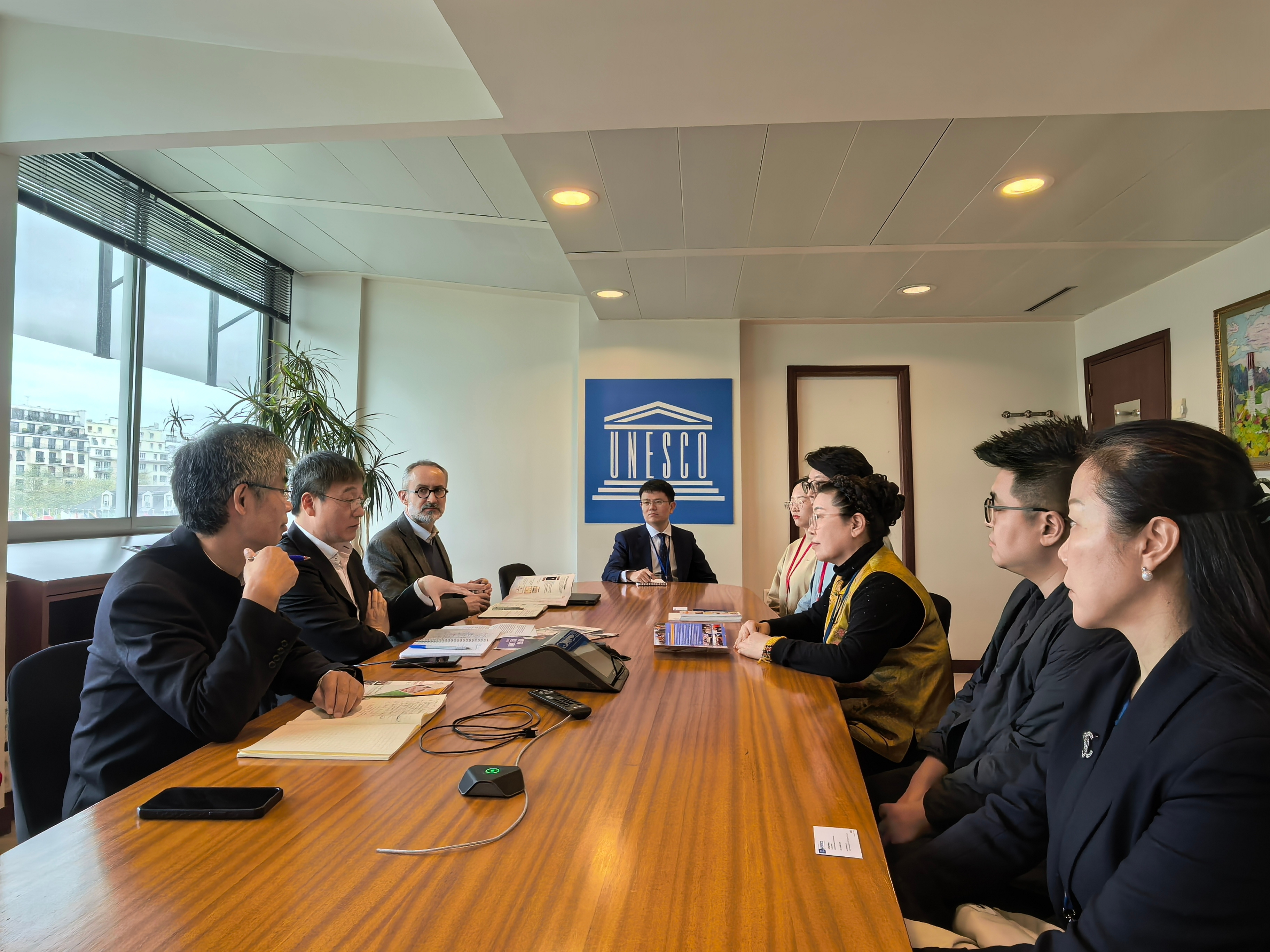
On the eve of the delegation’s departure, UNESCO’s Health and Education Department specially ended its lunch break early to arrange an unplanned in-depth exchange with the delegation. What appeared to be an ordinary gesture in fact carried a profound and unspoken sense of importance and expectation.
During the meeting, the two sides engaged in detailed discussion on several substantive cooperation topics.
The Beijing Changier Education Foundation proposed aligning the three-tier intervention system of its “Qing Ai Education & Support Center” with global standards of UNESCO and the World Health Organization, and applying for inclusion in UNESCO’s global case library of health-promoting schools, so that China’s twenty years of practical experience could provide a reference model—especially for developing countries within the framework of South-South cooperation.
At the same time, the Foundation formally proposed jointly organizing a “World Maternal Love Forum” with UNESCO, focusing on family education, mothers’ education, and women’s empowerment, and thereby closely aligning with UNESCO’s global agenda on women’s education.
At the institutional level, the two sides held candid discussions on the Foundation’s efforts to secure official partner status with UNESCO. This included advancing the implementation of special consultative status, exploring the establishment of a joint cooperation center, and jointly applying with universities for UNESCO Chairs, so that UNESCO-related identifiers may be used in compliance in future projects, thereby enhancing project credibility and truly becoming a “white-list partner” within the UNESCO system.
In addition, the two sides also exchanged views on jointly applying for a South-South Cooperation Fund project, exploring the feasibility of a model in which UNESCO would serve as the applicant entity and the Beijing Changier Education Foundation as the implementing partner, jointly applying to the China International Development Cooperation Agency for the Global Development and South-South Cooperation Fund, so as to achieve complementary strengths and synergistic impact.
UNESCO highly recognized the Foundation’s twenty years of accumulated practice in education philanthropy, as well as the professional vision and sincere attitude it demonstrated during this European visit.
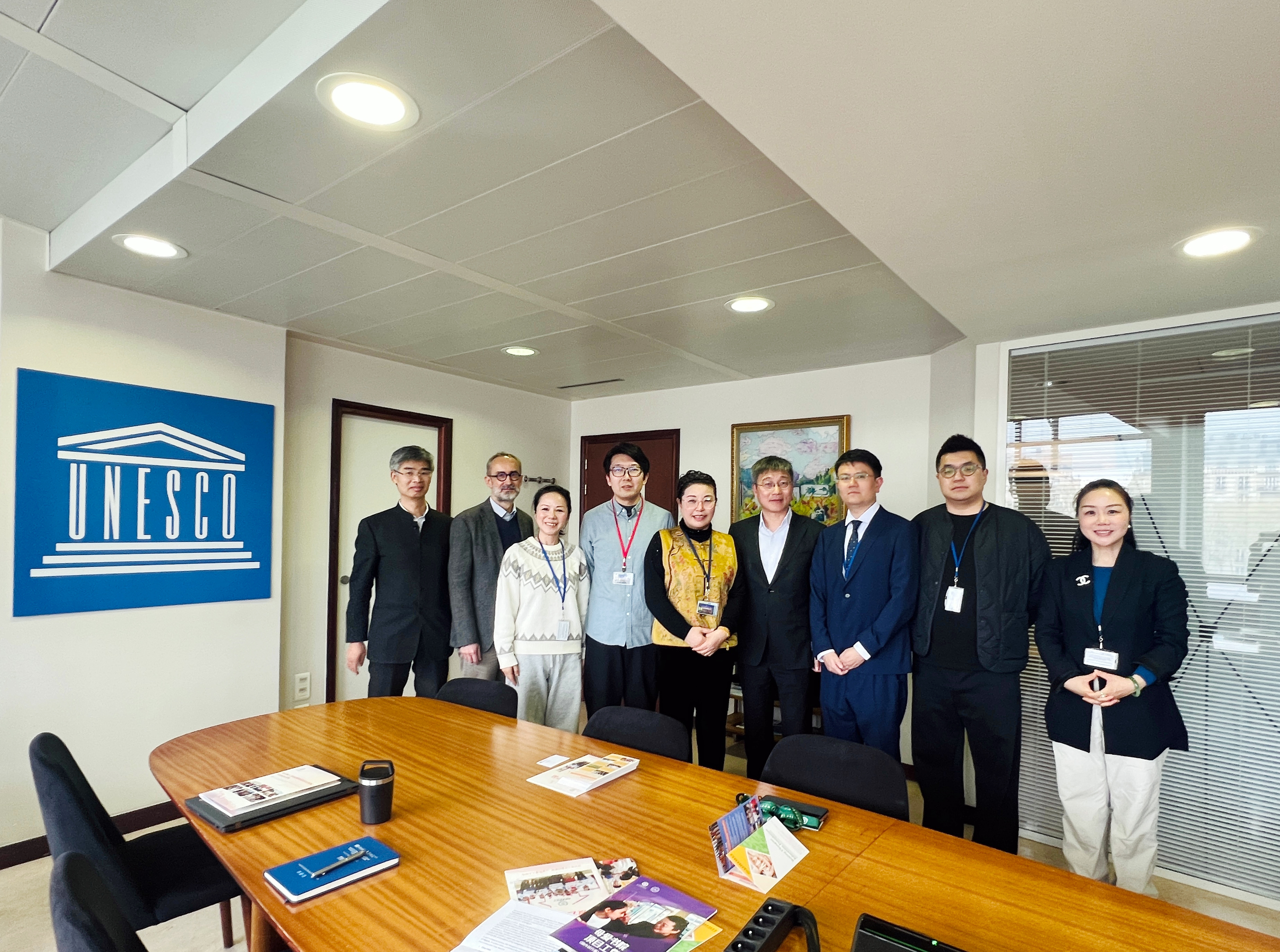
This recognition from the world’s leading international educational institution strengthened every member of Qingai in the conviction that the road of going global is the right one.
With that confidence, the delegation began its journey home.
Warm Exchanges with the Association des Amis de Wu Jianmin and Friends of China-France Friendship
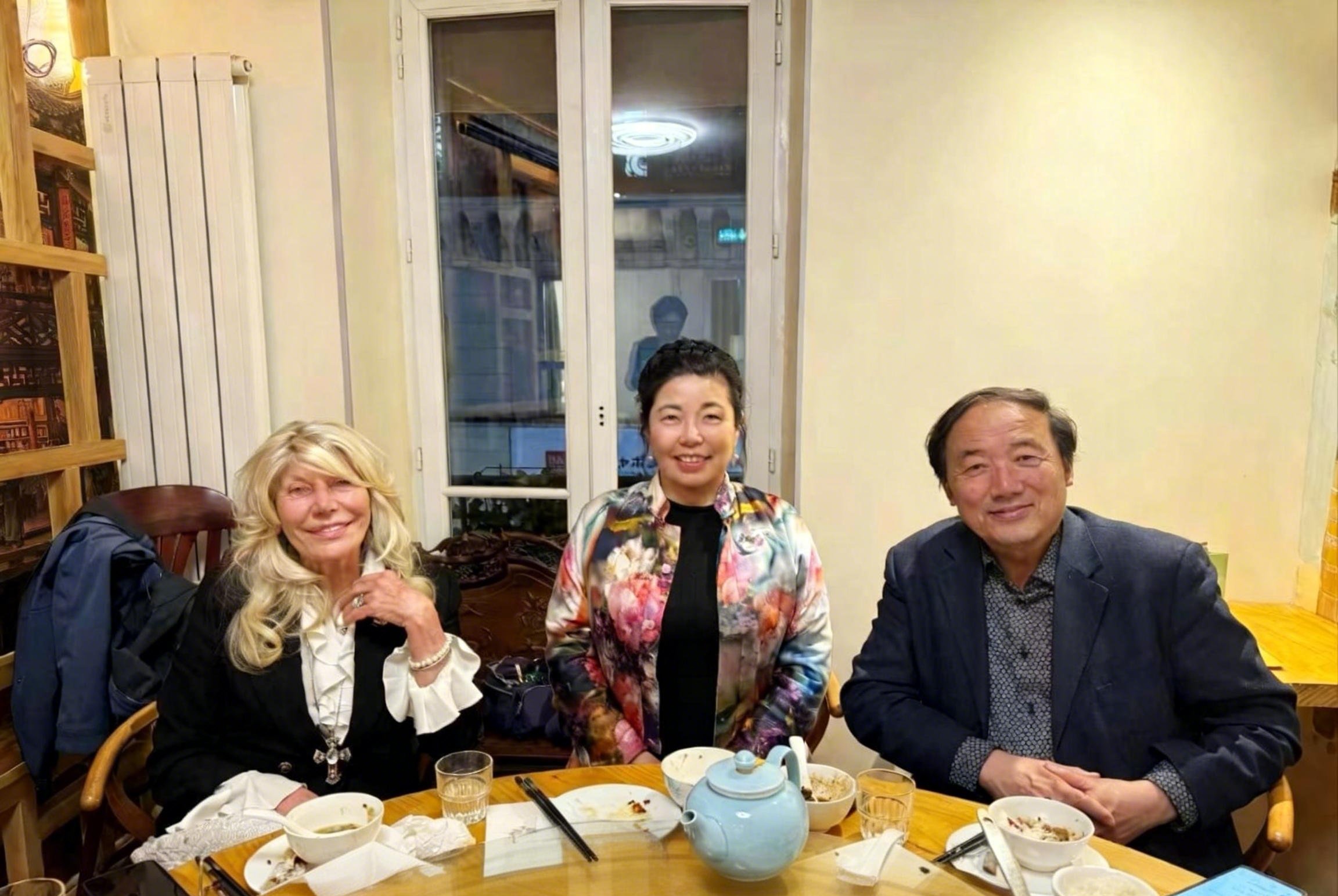
An important interlude in the Paris visit was the warm meeting with the Association des Amis de Wu Jianmin and French friend of China Ms. Anne Lettree.
The Association des Amis de Wu Jianmin was founded in Paris at the end of 2016 by Xu Bo and other close friends of Ambassador Wu Jianmin, and was formally registered in 2017. Bringing together people from politics, diplomacy, business, academia, and the arts, it is dedicated to carrying forward Ambassador Wu Jianmin’s spirit of peaceful dialogue and promoting in-depth exchange between the younger generations of China and France.
Former French Prime Minister Jean-Pierre Raffarin serves as the association’s honorary chairman, and the association enjoys broad recognition in the field of China-France cultural and people-to-people exchange.
At the meeting, Ms. Anne Lettree, who has long been active in political, business, and civil circles related to China-France relations, and Mr. Xu Bo warmly received the delegation.
From the sincere perspective of a French friend, Ms. Lettree shared her deep affection for and unique understanding of Chinese culture. She carefully read the materials sent by Qingai and sincerely exclaimed:
“What Qingai is doing is remarkable.”
This recognition from a friend in another country filled the delegation with warmth.
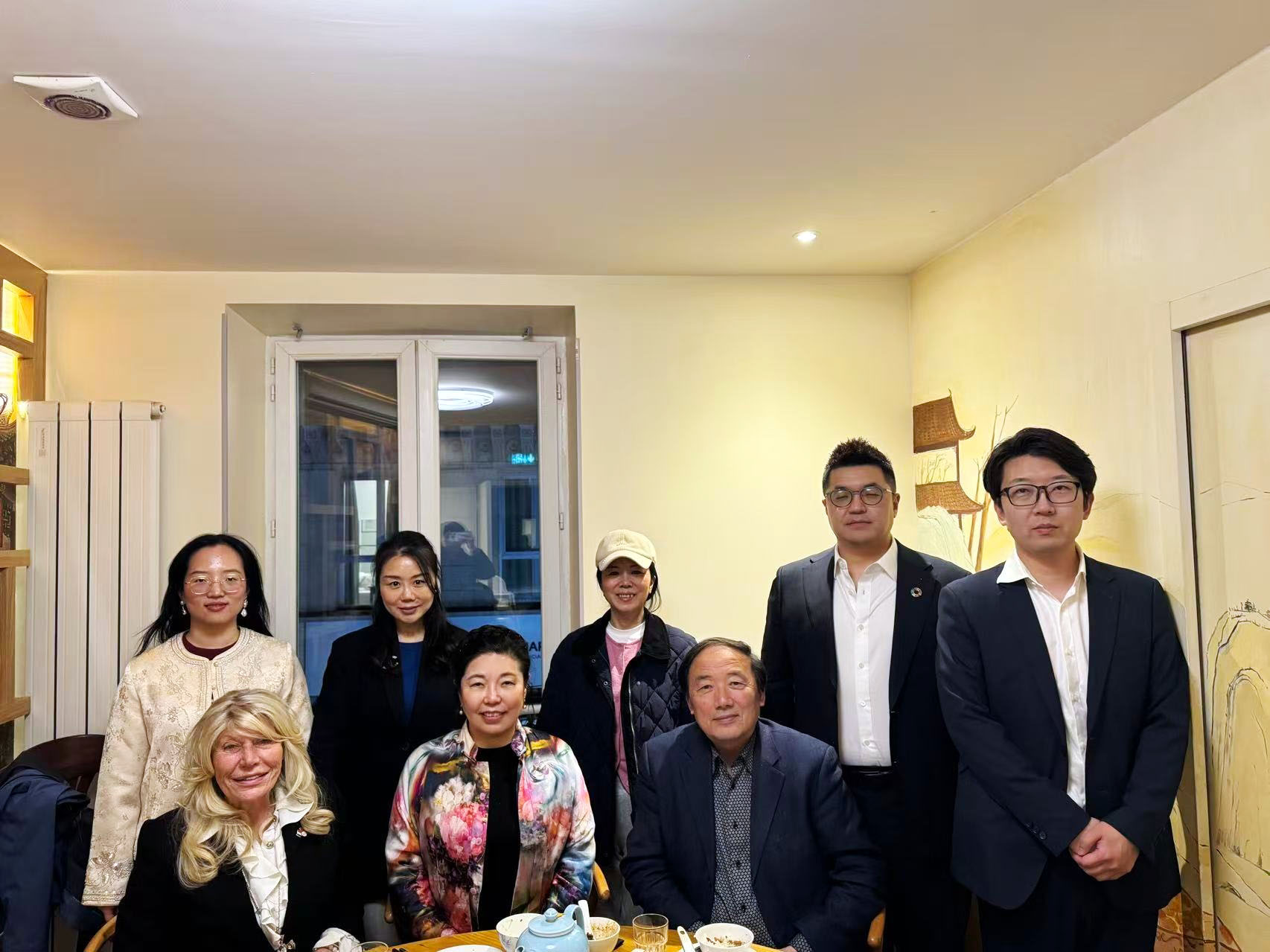
The two sides then carried out lively, candid, and in-depth discussions on shared concerns in China-France cultural exchange, especially in the field of artistic exchange. Their conversations sparked frequent resonance and also touched on many mutual friends long active in political, business, and civil circles in both China and France. The atmosphere was warm and harmonious.
Mr. Xu Bo is currently devoting great effort to planning a large-scale event on mutual cultural learning between China and France, and during the meeting he sincerely invited the Beijing Changier Education Foundation to take part.
This invitation represented trust, expectation, and yet another vivid sign of the steadily warming friendly exchanges between the peoples of China and France.
Conclusion: Starting from Paris, Let Love Reach the World

From Geneva to Munich, from Calw to Paris, every stop on the European tour of the Beijing Changier Education Foundation has built upon the previous one and deepened the journey further.
The delegation, composed of Zhang Yinjun, President of the Beijing Changier Education Foundation; Zhang Xiang, Director of the Asset Management Committee; Wang Changkun, Director of the Department of International Affairs; and Qingai International Love Ambassadors Shu Tong, Han Lijuan, and He Yating, participated throughout the various meetings and exchange activities.
If the first three stops were about sowing seeds and sounding things out, then the Paris leg was a true strategic landing: the four in-depth meetings at UNESCO Headquarters, the national-level endorsement from the embassy, and the warm exchanges with friendship associations in civil society together outlined with clarity the Foundation’s path toward internationalization.
Education is the most enduring form of philanthropy, and civilization is the most lasting bond. The Beijing Changier Education Foundation will take this European trip as a new starting point and continue deepening its cooperation with UNESCO and the international community, so that the warmth of Chinese philanthropy may continue to spread across a broader world stage.
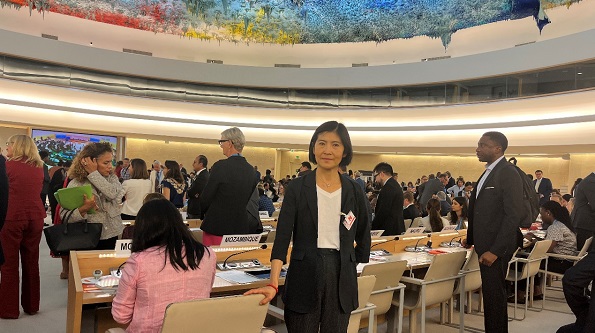
On September 11, Zhou Hang, director of the International Department of the Beijing Changier Education Foundation, atten...
Sep 11, 2023 Read Details
A border region’s initiative to raise awareness on HIV/AIDS through sex education,beginning in first grade, is changing...
Aug 03, 2016 Read Details
On October 19th, Ms. Xiang Ruolan, Associate Professor and Doctoral Supervisor from the Department of Physiology and Pat...
Oct 20, 2023 Read Details


We reserve the right to correct and updateany content on this website without notice.
Introduction Articles of Association Organization Structure Milestones Rewards and Certificates Image Ambassadors Endowment Enterprises
Key Events Project News Media Report Announcement Partners Recent News

