


Public welfare hotline:+86-010-84404273
Email: apepcy@apepcy.org
From March 22 to 23, 2026, a delegation led by Zhang Yinjun, President of the Beijing Changier Education Foundation, arrived in Calw County, Baden-Württemberg, Germany—with the county seat also named Calw—for the third stop of its European visit.
This stop featured no grand conference halls and no formal diplomatic protocol. Instead, it offered the everyday warmth of a small town deep in the Black Forest, and the most genuine and candid conversations between people devoted to public welfare.
Hesse’s Hometown: More Than a Small Town
Calw, located in the southwest of Germany at the northern edge of the Black Forest in Baden-Württemberg, is quietly traversed by the Nagold River. This town of fewer than 20,000 people is remembered around the world for one name: Hermann Hesse.
Hesse was born here in 1877. He began writing poetry at the age of seven. At fourteen, he was sent to a seminary, but unable to bear the oppressive constraints of the system, he ran away and fell into severe psychological crisis and depression. He fled, wandered, and struggled, eventually transforming it all into literature, producing works such as Demian, Steppenwolf, and Siddhartha, and winning the Nobel Prize in Literature in 1946.
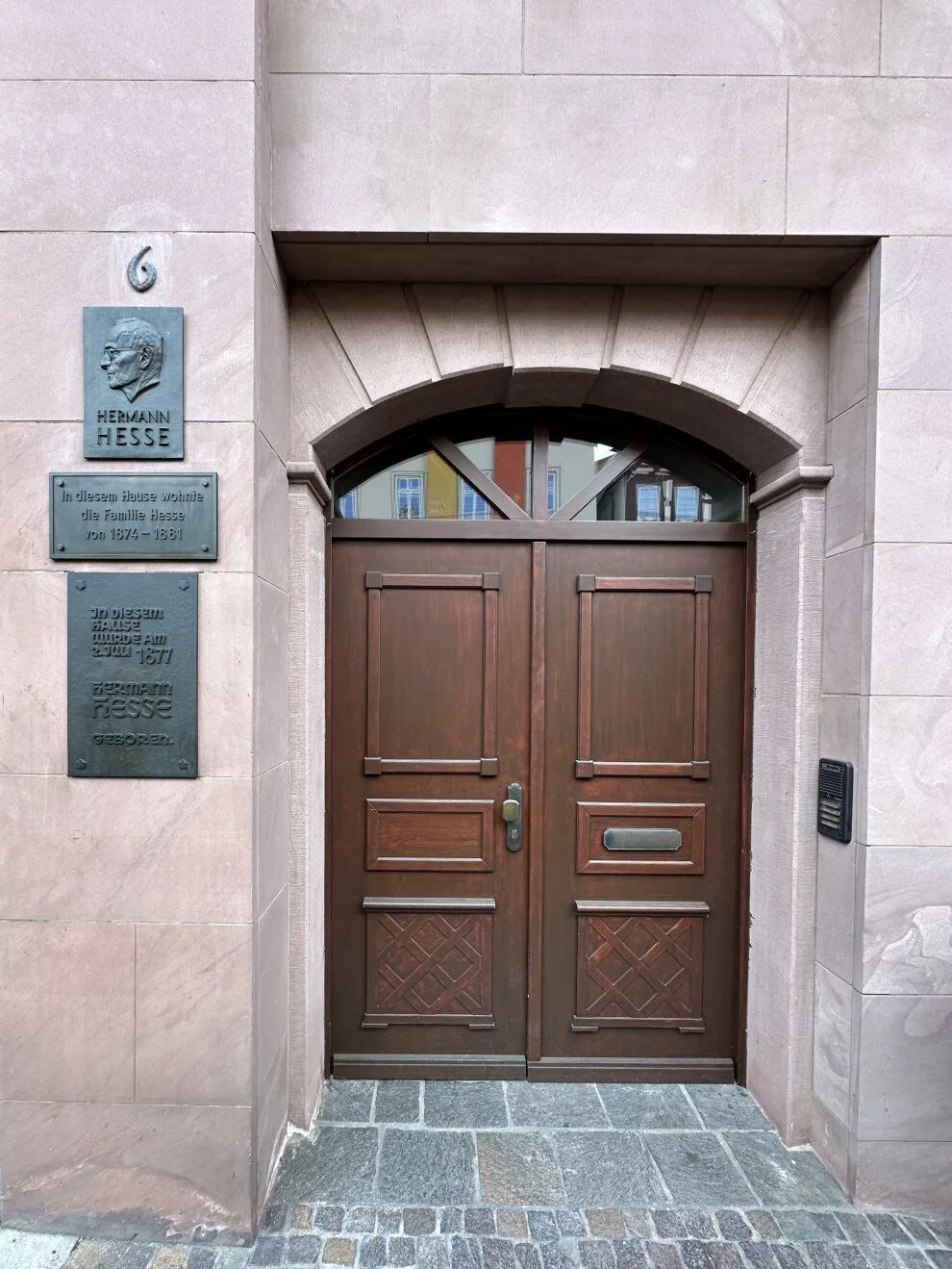
Hesse House
Hesse once wrote: “Each person’s life is a journey toward the self.” Even today, these words remain profoundly resonant.
A child who suffered deeply from psychological distress during adolescence and was seen as a “troubled youth” ultimately became a literary giant who illuminated the spiritual world of countless people. This is precisely the deeper reason why the Beijing Changier Education Foundation came to Calw: on this land, there exists an ancient and profound understanding of and tolerance for “troubled youth,” and that understanding has flowed through the lifeblood of this town and continues to this day.
About 9 kilometers east of Calw lies another small town, Ostelsheim. Sharing the same mountain springs of the Black Forest with Calw, it too has drawn global attention because of one remarkable story.
The Angel Mayor Couple: A Philanthropic Resonance Across Continents
The hosts of this visit were old friends of the delegation: Dr. Clemens Goetz and his wife Isabel Goetz.

Clemens Goetz served as mayor of Althengstett from 2007 to 2023, for a full 16 years. His wife Isabel long served as director of a refugee camp project in Germany’s Black Forest region. For decades, this couple has made public welfare their life’s mission and inclusiveness their foundation. They brought together what had once been a fragmented community into one warm family, and personally nurtured a story that has moved people around the world.
They were therefore awarded the 27th Global Love of Life Medal in 2024 by the Taiwan Chou Ta-Kuan Cultural and Educational Foundation. Zhang Yinjun, President of the Beijing Changier Education Foundation, is also a recipient of this honor.
Two hearts beating for philanthropy came to know one another through the same award and were reunited in the depths of the Black Forest by the same ideals. This face-to-face meeting was not a diplomatic arrangement or an item on an itinerary, but rather a reunion-like handshake between two dedicated philanthropists.
A Surprisingly Lively Sunday in a Small Town
According to German custom, nearly all commercial establishments are closed on Sundays. This is a social consensus embedded in regulation: no matter how busy life may be, time should be reserved for families to be together.
Mayor Goetz spoke earnestly, saying that this is not an inconvenience but a choice: a choice to slow life down and a choice to let families gather together. His words deeply moved the delegation. Perhaps the slight inconvenience of Sunday closures is exchanged for one extra beam of warmth in family life. Different national circumstances, yet shared human feeling, brought everyone to a smile of mutual understanding.
And yet, on this Sunday that was “supposed” to be quiet and empty, Calw’s historic center was unexpectedly lively. The mayor accompanied the delegation on a walk through the old town, weaving among medieval half-timbered buildings and visiting Hesse’s birthplace, while the streets happened to be hosting a rare traditional market. Stalls lined the roads, voices filled the air, and the lively atmosphere of everyday life was everywhere. It was as if the whole town had quietly put on its most vivid face for its visitors from China.
A Refugee Became a Mayor
During the delegation’s visit in Calw, a special guest came specifically to meet them: Ryyan Alshebl, Mayor of Ostelsheim, the world’s first democratically elected mayor with a refugee background.
In 2015, at the age of just 21, Alshebl fled war-torn Syria and eventually arrived in Germany, where he was assigned to a refugee camp in the Black Forest. It was Isabel Goetz’s social work team that received him, recorded his story, and provided him with shelter and support. Mayor Clemens Goetz, recognizing his potential, boldly brought him into the municipal government as an intern and supported his part-time studies at a business school.
Eleven years later, this young Syrian refugee, who once could not speak German at all, was elected Mayor of Ostelsheim with the highest vote share of 55.41%, becoming one of the most moving living examples in the history of philanthropy in Germany and around the world.
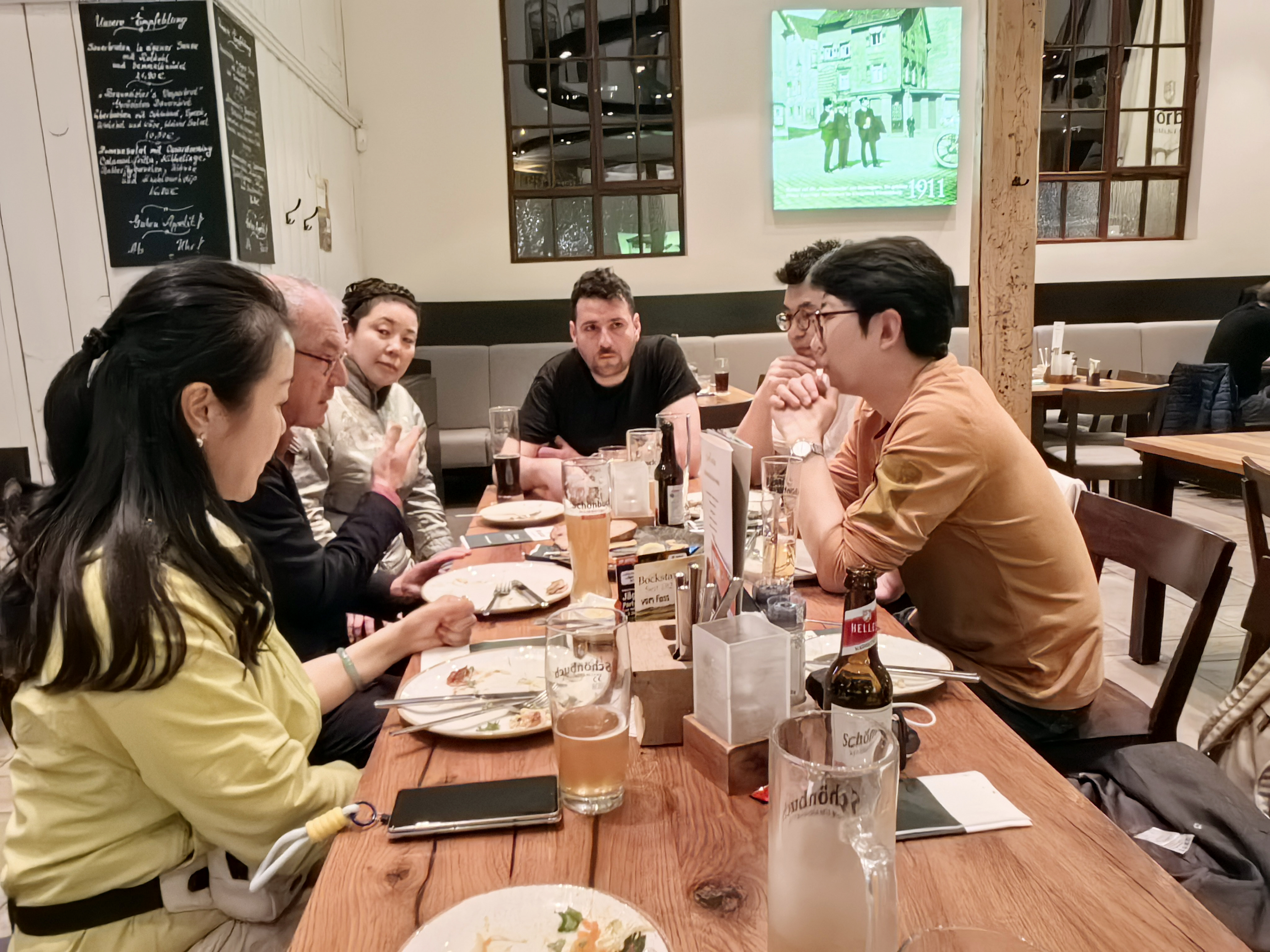
That day, Mayor Alshebl sat together with the delegation and openly shared his eleven-year journey in Germany—from a refugee unable to speak the language to a democratically elected mayor deeply trusted by local residents.
His story was deeply moving: when the warmth of philanthropic organizations truly reaches the most vulnerable and lost young people, the energy they can ultimately release often exceeds all expectations.
Is this not, in essence, a contemporary reenactment of Hesse’s own story?
Nagold: A Philanthropic Philosophy Inside a 150-Year-Old School Building
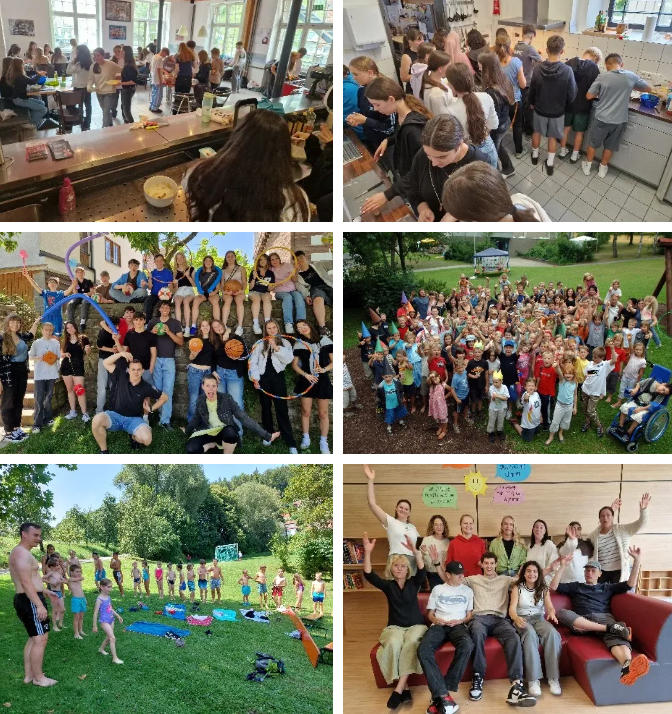
On the afternoon of March 22, the delegation drove to another town in Calw County, Nagold, to visit a well-known local youth welfare organization: YOUZ Nagold e.V.
(full name: YOUZ Verein für Kinder- und Jugendarbeit Nagold, or “Nagold Association for Children and Youth Work”).
Locally, the organization is known by an even more familiar and widely used name: “Jugend Zentrum”—the Youth Center, or simply YOUZ. It is almost universally known.
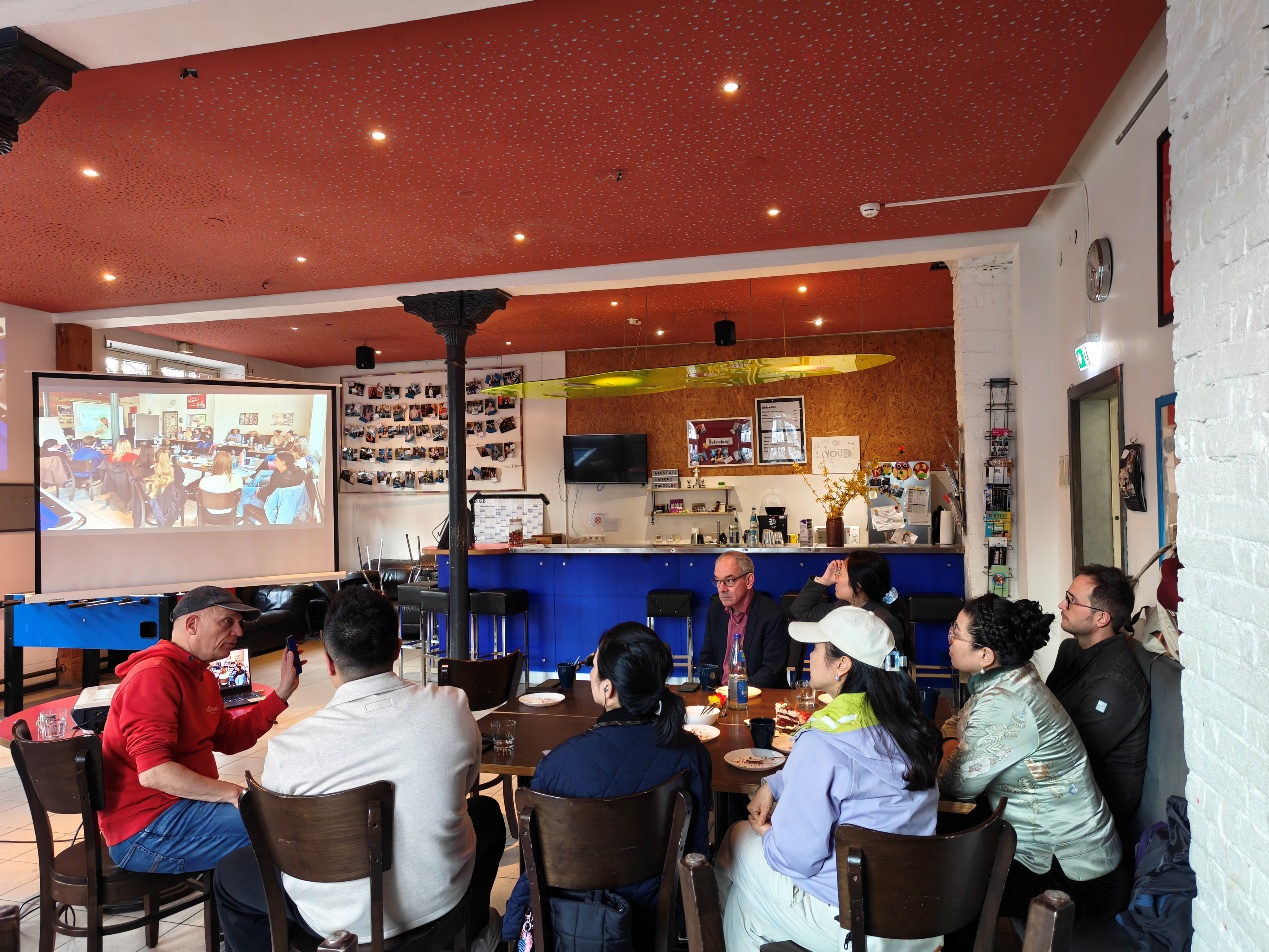
The head of the organization welcomed the delegation in a notably warm way: with an elaborately prepared authentic Black Forest cake. While everyone enjoyed the cake, he used a PPT presentation to gently and systematically explain the organization’s day-to-day operations. He added in particular: “If you have any questions, feel free to interrupt me at any time.” With that one sentence, the entire exchange was set on a foundation of equality and openness from the very beginning.
The building housing the organization is 150 years old. Formerly a school, it has now been transformed into a four-story comprehensive youth service center. The four floors are divided according to different age groups and functional needs, providing children with comprehensive support in practice, recreation, learning, dining, and even accommodation.
All services are completely free of charge. No appointment is required, no membership is required, and if at any point you feel uncomfortable, you may simply walk out and never come back—no one will ask why.

Here, there are no class schedules, no grades, no rankings; no racial distinctions, no cultural barriers. Children from different backgrounds become friends under the same roof. The organization’s slogan is: “We are family!” This is not merely a slogan, but a daily reality within this old building.
The organization also regularly organizes international youth groups, inviting young students from around the world to participate in two-week public welfare and social practice programs, allowing different cultures to blend naturally on this platform.
For children with special needs or those considered “troubled,” the organization provides licensed professional social workers who offer companionship-based guidance—without judgment, without pressure, simply accompanying them step by step as they find themselves.
Members of the delegation asked frequent questions, ranging from curriculum design and organizational scale to staff salaries, funding sources, cost structure, and sustainable operations. Every question touching the core practical realities of the organization received careful and candid answers. There was no evasion and no embellishment.
This spirit of openness gave the delegation, for the first time, such a real sense of the living conditions of a peer organization in Europe, and for the first time provided firsthand material for direct comparison with realities in China.

At the end of the visit, the delegation noticed one detail: throughout the entire four-story building, the walls were not covered with medals or certificates of honor, but with the smiling faces of children and photos of activities. That alone said everything.

March 23: From Research to Cooperation
On March 23, 2026, the delegation of the Beijing Changier Education Foundation visited Calw County, Baden-Württemberg, Germany, where it toured local government departments, a well-known vocational school, and youth welfare institutions, conducting a series of in-depth and pragmatic dialogues on China-Germany youth exchange and cooperation, and achieving positive results.
Visiting Government Departments: Clarifying the Framework and Pinpointing the Right Direction
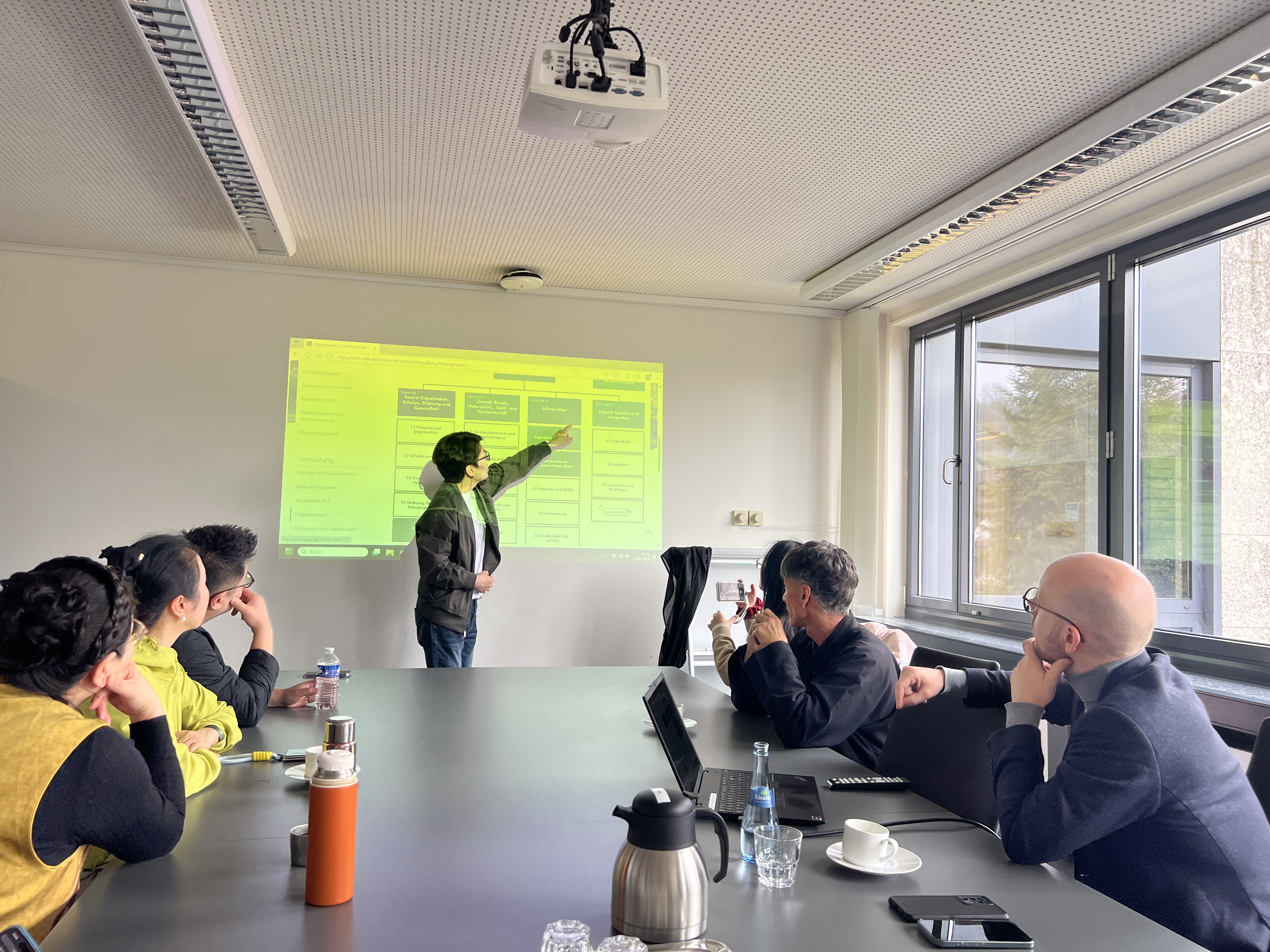
The delegation first visited the Department of Youth, Social Affairs and Integration of Calw County
(Jugend, Soziales und Integration Abteilung).
They were warmly received by Jonas Widmayer, head of the department, and Tobias Haussmann, head of international cooperation. The two systematically introduced the department’s functions and scope of work, and offered an accessible explanation of the differences between the administrative divisions of China and Germany, helping both sides more accurately identify areas of cooperation based on a full understanding of each other’s institutional backgrounds.
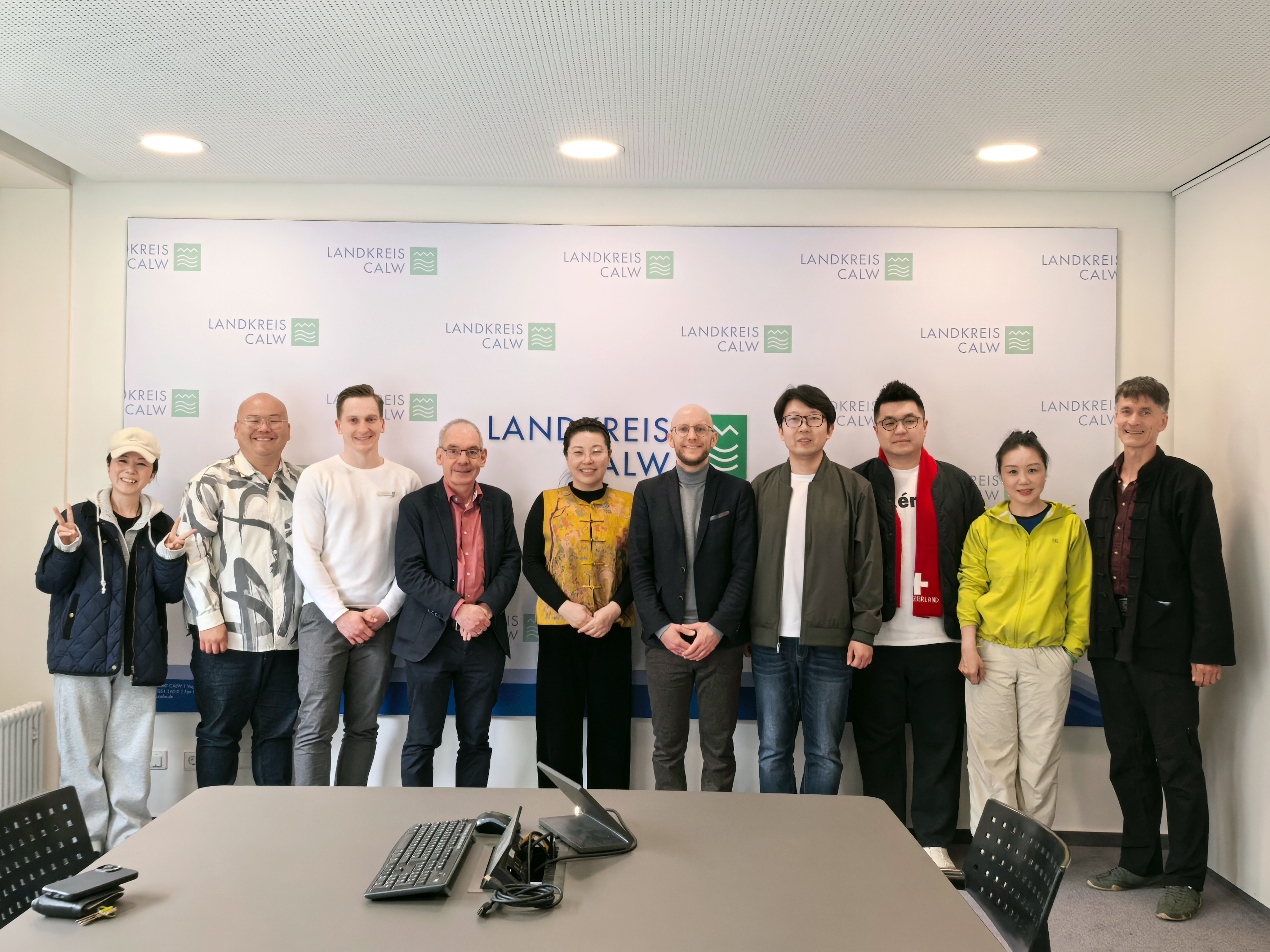
During the meeting, the Beijing Changier Education Foundation explicitly stated its willingness to serve as a liaison base and cooperation partner for German institutions carrying out activities in China. The Foundation’s service network across China will open its doors to German youth, becoming an important platform for them to engage in public welfare practice, cultural experience, and social observation while in China.
The two sides reached preliminary consensus on multiple dimensions, including joint cultural events, mutual learning on curriculum systems, teacher exchange and training, and joint public welfare projects. Both expressed their expectation to work together to enable German youth to visit China on a regular basis—using their own eyes to witness the profound changes taking place in this Eastern country.
As recently conveyed during the German Chancellor’s visit to China: understanding begins with seeing for oneself.
Visiting a Vocational School: Experiencing the Appeal of German Vocational Education
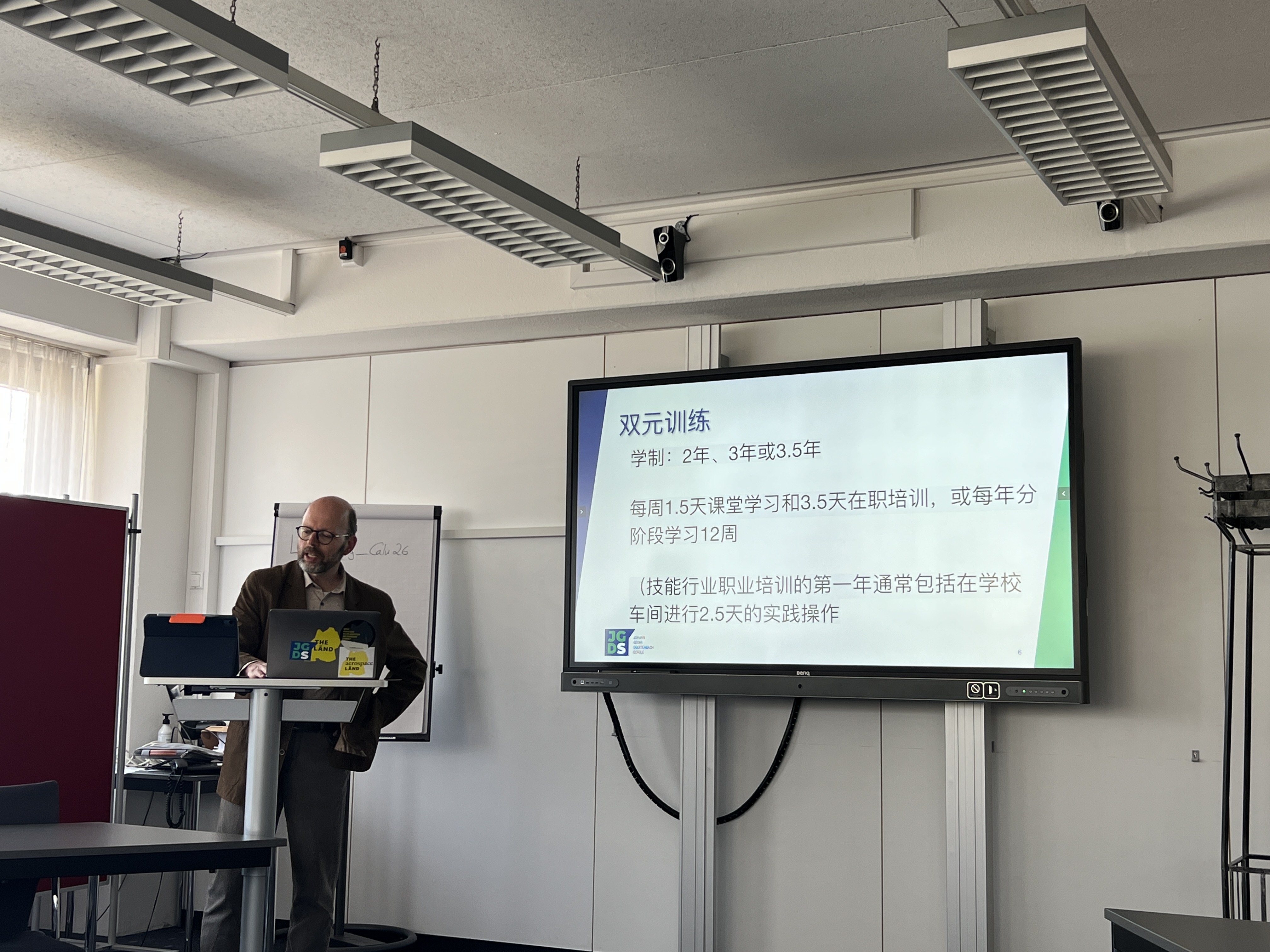
Afterward, under the guidance of Principal Michael Niedoba, the delegation toured the renowned vocational school Johann-Georg-Doertenbach-Schule (JGDS).
Located in the scenic northern Black Forest region, JGDS is a comprehensive vocational school in Calw, Baden-Württemberg, with two major professional tracks: technology and industry, and hospitality and catering. It also serves as the state vocational school for the hotel and catering sector in Baden-Württemberg
(Landesberufsschule).
The school currently has more than 80 faculty and staff members and is committed to providing young students with systematic vocational training, professional skills education, and pathways for further study. It is an important cradle for local youth development.
Visiting a Public Welfare Institution: Focusing on Youth Issues and Deepening Practical Cooperation
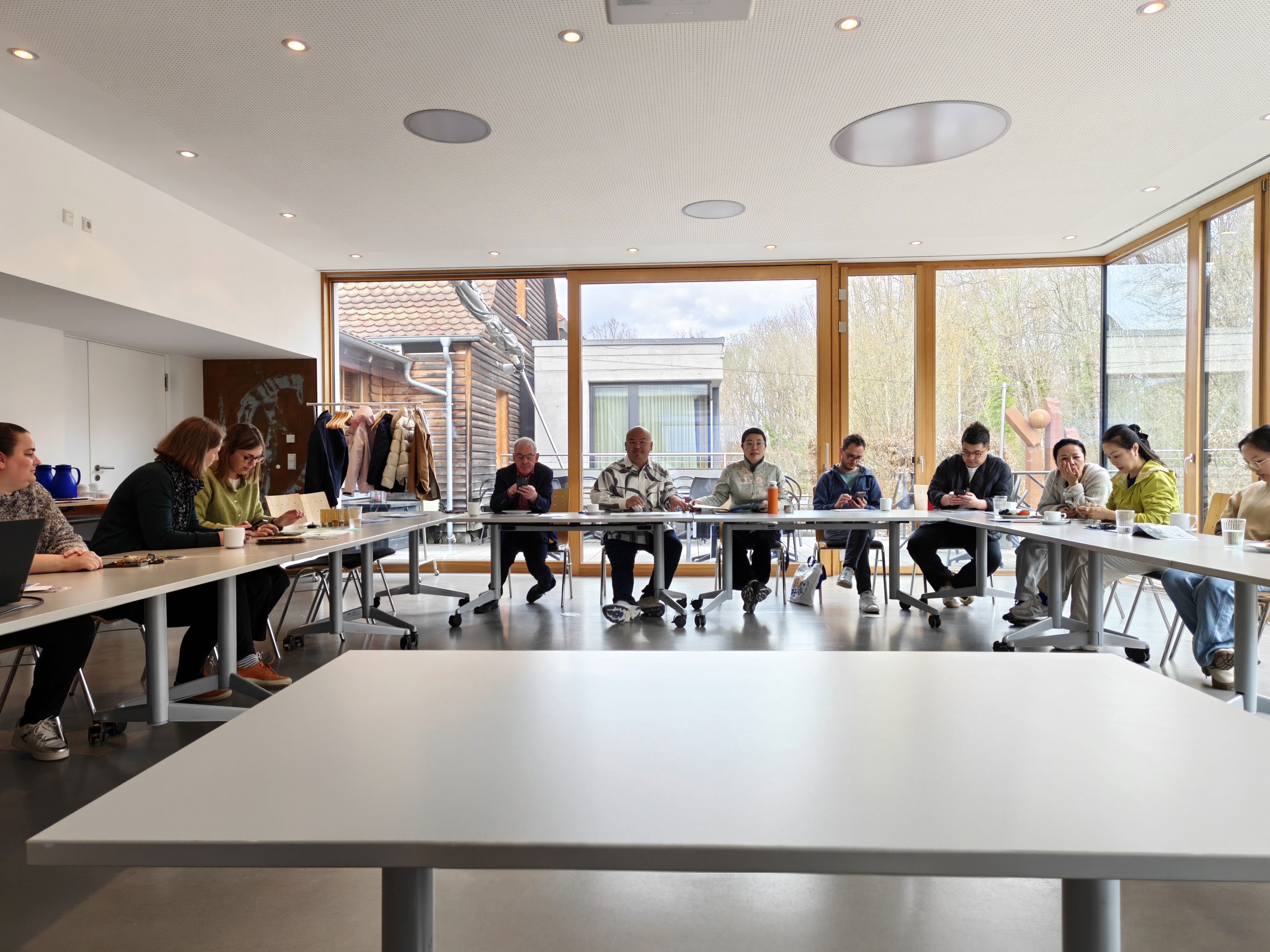
The delegation also visited Waldhaus gGmbH, a non-profit organization deeply engaged in youth services in Calw.
Headquartered in Hildrizhausen, the organization specializes in youth assistance and social education. Since 2008, it has been entrusted with operating the Calw Municipal Youth Affairs Office
(Stadtjugendreferat Calw), taking responsibility for youth community work, youth social work, and the daily operation of the Youth House
(Jugendhaus), with professional social educators stationed there to provide ongoing support and companionship to local youth.
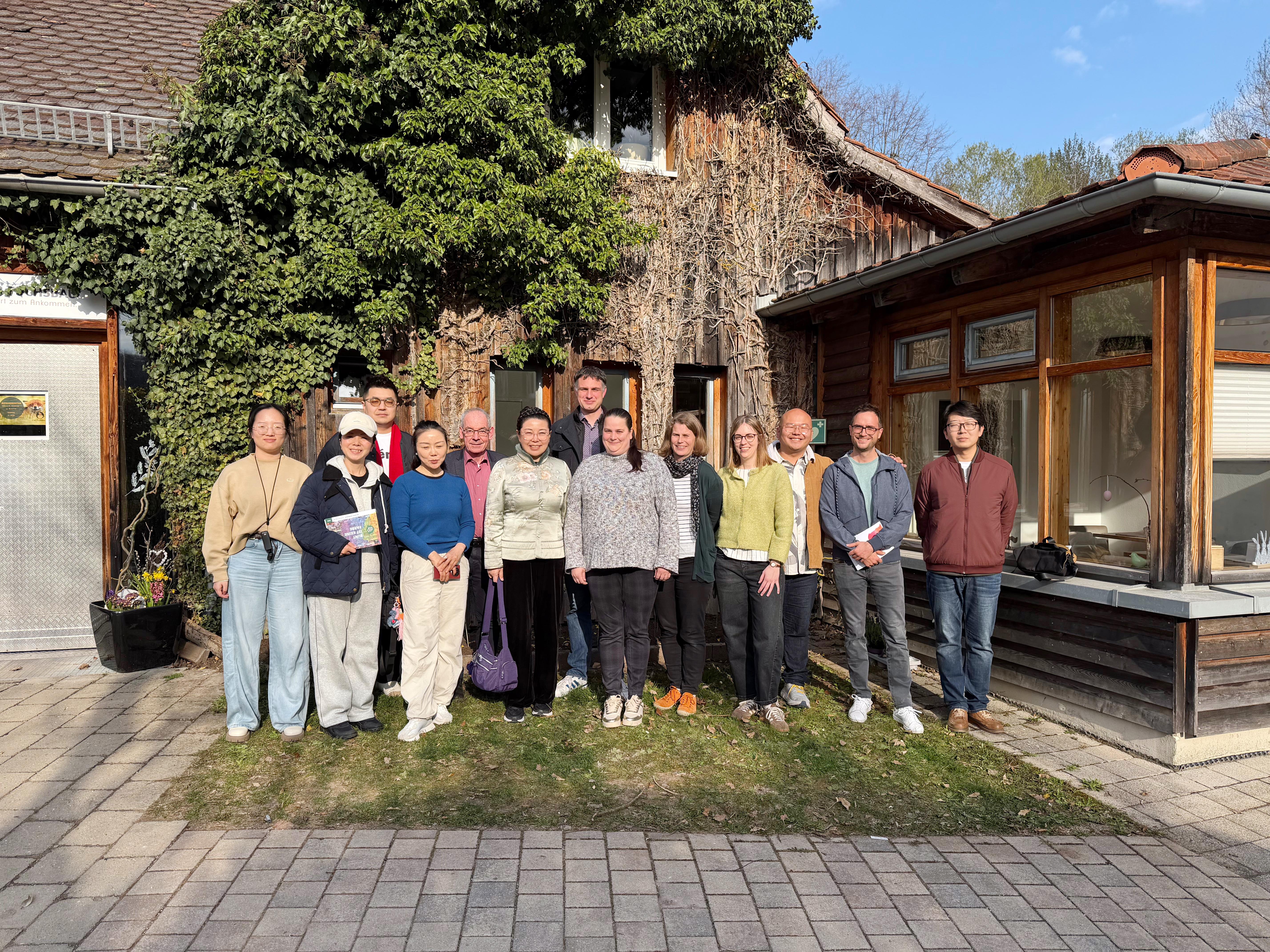
The organization’s director, Philipp Loeffler, introduced to the delegation a key finding from their long-term practice: for every 1 euro invested in public welfare, approximately 22 euros of social benefit can be generated. This highly efficient return also reflects an important feature of public welfare in Germany and other European countries—many public welfare organizations are financed and sustained primarily through government procurement of services.
The two sides had in-depth exchanges on youth-related issues of common concern and conducted candid and productive discussions on China-Germany youth exchange programs.
Early Results: A China-Germany Youth Exchange This September Is Taking Shape
After nearly two days of intensive visits, cooperation intentions quickly converged thanks to clear direction, strong sector alignment, and efficient communication.
At present, a China-Germany youth exchange visit planned for this September is highly likely to be launched within the year.
According to available information, the program is expected to involve 16 German youths and 4 Swiss youths. The Beijing Changier Education Foundation will work together with other domestic public welfare partners to undertake reception and exchange activities, building a bridge of understanding and friendship for young people from China and Germany.
The Power of Civil Society Creates the Deepest Connections
Looking back on these two days, the delegation—consisting of Zhang Yinjun, President of the Beijing Changier Education Foundation; Zhang Xiang, Director of the Asset Management Committee; Wang Changkun, Director of the Department of International Affairs; and Qingai International Ambassadors Shu Tong, Han Lijuan, He Yating, and Jason—followed a path completely different from that of official visits.
There were no red carpets, no formal speeches, no photo backdrops. What there were instead were Mayor Goetz’s warm and homely words, Mayor Alshebl’s completely candid personal testimony, the smiling faces of children in the old school building of YOUZ in Nagold, and the sincere dialogue that began over a slice of Black Forest cake.
This is precisely the approach that the Beijing Changier Education Foundation has insisted on during this European visit: not skimming the surface, not rushing through, but truly going deep into the smallest units of public welfare work, meeting peers face-to-face, discussing each other’s difficulties, sharing experiences, and seeking cooperation that can genuinely be implemented on the basis of mutual trust and friendship.
China’s public welfare sector needs to learn from the world; and the world also needs to see a more authentic China. Such mutual understanding and connection are never achieved through publicity alone, but through sincere handshakes, unscripted conversations, and hearts willing to open.
Hesse once said: “Each person’s life is a journey toward the self.”
And Qingai is walking on that very journey—lighting a lamp for the children of China, and for the children of the world.
Exchange in the National Assembly of Madagascar On May 12, a Chinese delegation led by Li Jun, former Vice Minister of t...
May 18, 2025 Read Details
On November 3th, 2019, APEPCY Asia Pacific Outstanding Women’s Federation Public Welfare Ceremony was held in the...
Nov 05, 2019 Read Details
On February 23, the Capital Spiritual Civilization Construction Work Conference was convened. At the conference, the hon...
Feb 29, 2024 Read Details


We reserve the right to correct and updateany content on this website without notice.
Introduction Articles of Association Organization Structure Milestones Rewards and Certificates Image Ambassadors Endowment Enterprises
Key Events Project News Media Report Announcement Partners Recent News

